Walk into any Whitburn workshop on a rainy Tuesday and you will hear the same conversation play out between an anxious driver and a calm technician. The key won’t start the car, the dash lights flash, or the remote has given up after a long spell in a jacket pocket. Modern car keys are not simple bits of cut metal. They are tiny computers that talk to your vehicle’s immobiliser. That conversation either works perfectly, or it doesn’t. When it doesn’t, you need someone who understands both the mechanical lock and the digital handshake behind it. That is where experienced auto locksmiths in Whitburn earn their keep.
This guide draws on what seasoned technicians see every day: the way manufacturers implement transponders, the pitfalls when programming keys, and the practical routes to get drivers moving again without unnecessary costs. Whether you are managing a fleet in West Lothian or you just discovered your spare key has vanished into the same void as odd socks, the details below will help you speak the same language as the expert who shows up to rescue your morning.
Why car keys became computers
Immobilisers made car theft harder and forced the trade to learn electronics. Starting in the late 1990s for most brands, a physical cut alone stopped being enough. A transponder chip inside the key sends an identifier to an antenna ring around the ignition or a receiver in the cabin. The vehicle’s immobiliser control unit checks that identifier against its memory. If they agree, the engine control unit gets permission to fire. If not, the engine may crank but will not start, or it will start for a second and die.
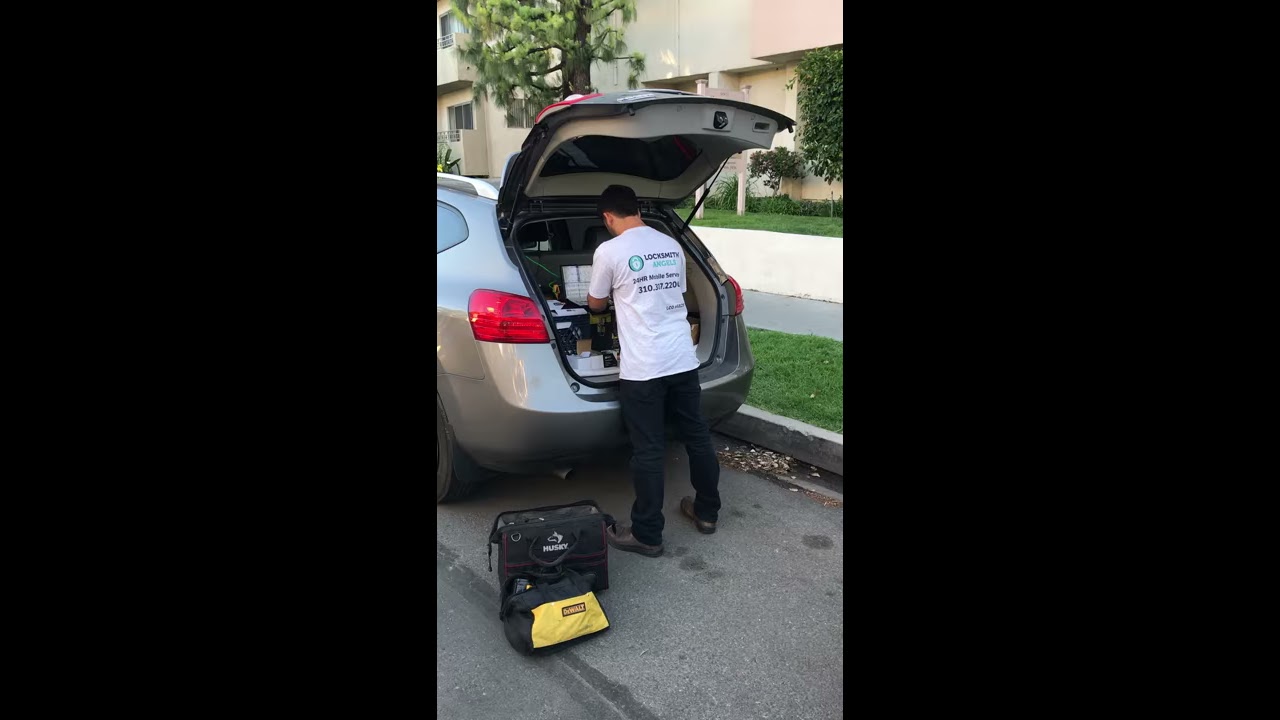
There are several families of transponders, and a Whitburn locksmith who touches every major marque needs to understand them in practice, not just in theory. Early systems used fixed code chips like Texas Instruments T2 or Megamos Fixed. These are straightforward to clone if you have at least one working key. Later systems moved to rolling code or encrypted chips such as Philips Crypto (ID46), Megamos Crypto (ID48), and Hitag 2 or 3. Most VAG group cars from the mid-2000s onward use ID48 with security that resists trivial cloning. Ford’s Tibbe-era vehicles relied on different cut profiles and PATS transponders, then transitioned to HU101 blades and later proximity keys with various PATS generations. BMW, Mercedes, and others layered in CAS, FEM, or FBS systems, each with its own hoops.
The trend continues with proximity and smart keys. The button on the handle unlocks the car, the start button wakes the electronics, and an ultra high frequency transmitter plus a low frequency wake-up signal ensures the key fob is inside the cabin. Great when it works. Infuriating when a coin cell battery goes weak or a module loses sync during a jump-start.
What a competent auto locksmith in Whitburn really does
The phrase “Whitburn Locksmiths” might conjure a generalist who fits mortice locks and rescues people from bathroom doors. Some shops do that, and do it well. Auto locksmiths Whitburn specialists add a layer of diagnostics and programming you do not pick up from a weekend course. Here is what sets them apart in practice.
They start with information. Vehicle make, model, year, and sometimes build month determine which key profile and chip to bring. A 2012 Astra uses a different protocol from a 2018 one even though the badge and key look similar. They also verify whether the car has aftermarket alarms or trackers that might interfere with programming.
On site, they read the lock mechanically before they touch any programming. If all keys are lost, decoding the door lock with a Lishi tool or an optical reader provides the mechanical key code. This creates a blade that physically turns the barrel. Parallel to that, they check whether the immobiliser can be learned via on-board diagnostics or if the job requires removing a module to extract PINs and security data.
Programming matters as much as cutting. For some Vauxhall models, an on-board PIN or security code is obtainable through the diagnostic port with legal tools. For others, the PIN sits inside the body control module and needs to be read from the chip. Volkswagen group cars after 2009 often need component protection data. Fords can be straightforward on one generation and stubborn on the next, depending on timed PATS access and whether the car is in forced learn mode.
An experienced Whitburn locksmith also thinks about the alternates. If the car is parked nose-in against a garage wall with a dead battery, programming through the OBD port becomes more complicated. They may trickle-charge the vehicle, stabilize voltage with a support unit, and plan the work so the battery stays above 12.6 volts while keys are being added. Voltage dips during programming are a common reason new fobs fail to pair.
The anatomy of a transponder key job
A job we see weekly goes like this. A driver from the eastern side of Whitburn calls with a 2015 Ford Fiesta, one working key, one snapped blade. They want a spare so they do not end up stranded. The locksmith confirms it is a HU101 blade and a PATS-equipped vehicle. Stocking the right remote shell and chip makes the difference between a thirty minute call and a second trip.
On arrival, the locksmith cuts a new blade from the code stored in the database or decoded from the lock with a reader. You need the mechanical match first. Next comes a diagnostic scan. A handheld unit connects to the OBD port under the steering column. If the immobiliser registers one existing key, the device can trigger key learning. The system might demand a ten minute security wait, a vestige of earlier theft-deterrent measures. The locksmith keeps the car on a support charger to keep voltages steady. After the wait, the new key is introduced, the immobiliser acknowledges it, and the tool confirms two keys programmed. The remote buttons are tested for lock, unlock, and boot release.
If the car were a 2017 Seat Ibiza instead, cloning might not be an option due to ID48 encryption. In that case, the locksmith adds a key by programming the immobiliser via a brand-specific routine. In some models, you also have to adapt the remote central locking module separately. One extra step, but you only have a working key when all the pieces align.
All-keys-lost versus spare key programming
The cost and complexity shift drastically depending on whether the locksmith sees at least one working key. With a working key, many systems allow cloning or simple add-key processes. A spare key job for common models often falls in the 80 to 180 pound range in Whitburn, sometimes higher for premium proximity keys. The locksmith can extract necessary data via OBD, and the vehicle never gets disturbed beyond normal plugging and unplugging.
All keys lost changes the calculus. Some cars lock down the OBD path, so you need to remove a body control module, instrument cluster, or immobiliser box to read data directly from an EEPROM chip. That means careful disassembly, a solderless clip or micro-solder work, data extraction, a key pre-coding step with the recovered security bytes, and then reinstallation. This can stretch into two to three hours for a mainstream vehicle, longer for brands like BMW or Mercedes that require programming within tight security ecosystems. Expect a cost multiple of two to four compared to adding a spare. Still cheaper and faster than a dealership in many cases, especially when the car cannot move under its own power.
The grey areas: cloning, pre-coding, and aftermarket remotes
Cloning works by reading the transponder’s response and creating a duplicate that looks identical to the car. The original still works, as does the clone. This is convenient when the immobiliser allows it, but rolling code or encrypted chips limit this path. A skilled auto locksmith decides quickly whether a clone is safe. On some systems, a clone introduces future headaches if the car expects a unique rolling sequence per key. Two keys sharing one identity can cause sync errors. In Whitburn, most conscientious technicians use cloning for fixed code chips or where the tool confirms safe cloning, and otherwise proceed with true key addition.
Pre-coding is the step where you program the transponder with data specific to the car before the immobiliser will accept it. Volkswagen group keys often require component class, ID, or manufacturer-specific data injected into the chip, which means generic blanks are not enough. You need the right generation of remote with matching frequency and board number, and you need a tool that knows how to populate the pre-coding fields. This is where cheaper internet keys go wrong. A fob looks identical on the outside but carries the wrong PCB or a frequency that is off by a few megahertz. The immobiliser rejects it, or the remote buttons never work even though the car starts.
Using aftermarket remotes is sometimes the only way to meet budgets, and reputable suppliers produce boards that match OEM performance for common models. A good locksmith Whitburn outfit keeps track of which aftermarket boards hold up. The weak spot is often solder joints on the battery tray or poor antenna tuning. When the winter cold hits, marginal remotes reveal themselves. The technician who has seen a batch fail will steer you to OEM for that model, even if it costs a little more.
When a door won’t open and the keys are inside
Plenty of calls in town are not about programming at all. It is a bag locked in the boot of a saloon, a toddler inside a car with the key on the seat, or a dead battery that means the remote does nothing and the door cylinder seems seized. Non-destructive entry separates tradespeople who truly serve motorists from those who revert to prybars.
A typical method uses a Lishi pick to decode the door cylinder. Ford, Vauxhall, and many others use wafer locks that yield to skilled manipulation without damage. If the lock has never been turned, sometimes the cap is stiff or the wafers sticky. A small amount of specialist lubricant and gentle working restores movement. For vehicles without visible keyholes, emergency entry may involve concealed cylinders behind trim covers. A locksmith who knows model layouts will pop the cover rather than attempt fishing through a window seal.
Once inside, if the car battery has died, opening the bonnet to attach a booster pack restores central locking and allows programming. Rushing that step often leads to unnecessary alarm triggers and frazzled nerves. Good tradespeople focus on calm, methodical work.

Proximity keys and the invisible boundaries
Push-to-start vehicles introduce invisible zones around the car. The fob responds to a low frequency trigger from handles or interior antennas, and then transmits a higher-frequency response. Problems often look like this: the car unlocks but shows “key not detected,” or it starts once and then refuses, or the remote range drops to a meter from the handle. Before you suspect the key, check environmental factors. A phone pressed against the fob can couple energy and reduce range. Metal key cabinets in a shop can detune the antenna. Aftermarket window tint with metallic content can limit communication.
Programming proximity keys involves more moving parts. You still pair a transponder identity to the immobiliser, but you also teach the remote locking module and sometimes a comfort access unit. Where older cars require a single procedure, newer ones break this into two or three steps. Voltage support is even more important. Losing power mid-adaptation corrupts data and can brick a module. The seasoned Whitburn locksmith arrives with a stable power supply and checks for technical service bulletins that require software updates. Not every independent can flash modules, and that is a fair dividing line. If the job requires a dealer-level software update, a transparent locksmith will say so and coordinate rather than guess.
Working with Whitburn drivers: what makes the process smoother
Communication matters as much as tools. A clear description of symptoms helps the technician arrive prepared. Was the key dropped in water? Does the car crank and die, or not crank at all? Was there recent work like a battery change or collision repair? These clues steer diagnostics. Many immobiliser faults follow battery events. A slow crank during winter can knock a marginal transponder out of sync. A sharp voltage spike from jump leads can confuse a body control module.
Local factors count too. The damp salt air drifting from the coast accelerates corrosion in door cylinders. If your mechanical key never sees use, try it in the door every few months. It keeps wafers moving and gives you a way in when the fob battery dies. When a locksmiths Whitburn team suggests a maintenance habit that sounds old fashioned, it is because they see the failures that follow neglect.
Security ethics and realistic expectations
Security is the subtext to all programming. A responsible auto locksmith verifies ownership before cutting or programming keys. That might mean a V5C logbook, photo ID, and matching address. When stranded at midnight, drivers can feel frustrated by these checks. They exist to keep everyone safe. Most professionals will proceed on a reasonable proof basis on site, then ask you to follow up with formal documents if something is missing.
Another boundary is what is legally accessible via OBD versus what requires proof to acquire from a manufacturer. Some codes cannot be obtained ethically without dealer cooperation. Any quote that sounds too good for a premium brand, offered with no paperwork, probably cuts corners you do not want. Ask the technician to walk you through the process. A transparent answer beats a low price with vague promises.
Common pitfalls and how Whitburn techs avoid them
There are patterns that come up month after month. On certain Peugeot and Citroën models, remotes with the correct look ship with the wrong transponder chip. You can lock and unlock the car fine after programming, but the engine will not start. The fix is to choose the correct integrated board, not mix a donor board with a cheap shell. On some Nissans, the BCM stores key data in a volatile part of its memory and loses it after a jump-start surge. The car wakes up, but keys are forgotten. An experienced locksmith keeps a BCM PIN extraction tool ready and restores function without towing.
On late-model Kia and Hyundai push-button cars, immobiliser pairing may require entering a specific time window or following an exact sequence of pedal presses and ignition cycles. Deviate by a few seconds and the procedure resets silently. A technician who has done it fifty times anticipates the rhythm and brings the right backup key types, since some markets require slot-in emergency keys even for proximity models.
Then there is the evergreen mistake of ignoring the basics. A weak fob battery can mimic a programming failure. Swap the CR2032 first. A corroded earth strap between body and engine can produce immobiliser faults by starving modules of clean voltage. Check and clean it. Spending five minutes on fundamentals can save an hour of head scratching with a laptop.
How to choose the right Whitburn locksmith for key programming
Trade experience shows through in a couple of ways. Your first clue is the intake questions. If the person asks for year, model variant, and whether the car has keyless entry, you are talking to someone who respects the details. If they mention they will bring a stable power supply and ask where the car is parked, they are thinking ahead about voltage and access.
Look for technicians who invest in legitimate tooling. Devices like Autel IM, Advanced Diagnostics, or manufacturer-aligned readers are expensive, but they enable safer work. A tech who can show a stack of learning transponders, keyed shells, and proximity fobs for common models is ready for same-day fixes. Training matters too, and it does not end with a certificate. Honest Whitburn locksmiths share stories of jobs that went sideways and how they resolved them. That humility usually signals competence.
Finally, weigh responsiveness against thoroughness. A fast answer is great, but speed should not replace accuracy. If someone quotes a rock-bottom price for a late-model smart key without asking for a VIN or variant, be skeptical. Cars that look the same across a few registration years can differ in key frequency and immobiliser logic. Misidentifying one can cost more time than it saves.
When a dealer is the right answer
Independent locksmiths can handle a wide spread of vehicles, and for many scenarios they beat dealer timelines and costs. There are exceptions. Some BMW FEM/BDC jobs require component programming that is better handled at a facility with full dealer software access. Late Mercedes with FBS4 keys, certain Jaguars with KVM modules locked down by firmware, and Teslas with digital pairing tied tightly to the manufacturer are best directed through official channels. A reputable auto locksmiths Whitburn team will tell you when that is the case and may help with immobiliser-friendly towing or pre-diagnostics so the dealer visit is efficient.
Practical steps to stay out of trouble
Here is a short, no-nonsense list that represents habits we recommend to local drivers. It is not exhaustive, but it captures the small things that prevent most emergencies.
- Test your spare key every three to four months, including both the remote buttons and the ability to start the engine, so you discover desynchronisation before you need it. Replace coin cell batteries at the first hint of reduced range or delayed unlocking, and keep a spare CR2032 or CR2450 in the glovebox in a sealed bag. Try the mechanical blade in the door lock twice a year, and apply a light, appropriate lubricant to keep wafers free. Photograph the key blade code if provided with the car’s documents, then store the image somewhere secure; it speeds up replacement if all keys are lost. Use a jump pack with surge protection and connect per the manual to avoid immobiliser glitches after a flat battery.
A Whitburn case file: two cars, two paths
A local tradesman auto locksmiths whitburn with a 2010 VW Golf called after losing his only key during a job in Blackburn. ID48, all keys lost. The car sat in a client’s driveway, nose to a wall. The Whitburn team arrived with a compact support charger, decoded the door lock to cut a blade, removed the instrument cluster to read immobiliser data, prepared a dealer-style key with proper pre-coding, and adapted it to the vehicle. Start to finish, about two hours on site. The driver paid less than the dealer quote and did not need a tow.
The next morning brought a nurse with a 2018 Civic, one working proximity key, worried about losing it during shifts. Add-key scenario, straightforward. The tech asked her to bring the car to a spot with decent signal so battery support would not trip over an extension lead running across a walkway. The new proximity fob was introduced through OBD adaptation, remote and passive entry tested, and the emergency insert key cut. Seventeen minutes on the clock. Two different cars, two different strategies, both ending in a quiet sense of relief.
The role of local knowledge
Whitburn might be a small dot between bigger hubs, but that geography shapes the service. Shorter travel times help with tight schedules. Familiar routes mean faster response to Bathgate Road during a lunch rush or to an estate where street parking makes access tricky. Local locksmiths Whitburn crews know which makes dominate nearby fleets, so they stock the right blanks and remotes. A Peugeot-heavy neighborhood needs different inventory than a cluster of Fords. That preparation cuts down your wait.
It also fosters trust. When a shop recognizes your van from last year’s spare key visit and asks how the brakes held up after the MOT, the conversation changes. You feel comfortable admitting you left only one key on the family key rack, and you are ready to fix that today. That is not sentimentality. It is a practical loop that keeps you moving.
Where the craft is heading
The next wave of vehicles ties keys more tightly to online services. Over-the-air updates can alter immobiliser behavior overnight. Some manufacturers are experimenting with phone-as-key features that rely on near-field communication and app-based authentication. This does not eliminate the need for physical keys, at least not yet. The emergency slot remains, and the immobiliser still expects a secret handshake, even if the device in your pocket speaks it.
For independent trades, that means investing in secure, updatable tools and staying on the right side of data access rules. It also means more collaboration with dealerships for specific tasks. If you find an auto locksmith Whitburn business that embraces this reality instead of fighting it, you have found a partner for the long haul.
Final thoughts, without fluff
Keys fail at bad moments. The fix is part procedure, part judgment. Good practitioners bring both. When you ring a locksmith Whitburn number because your transponder suddenly stopped talking to your car, you are not buying a piece of plastic. You are buying the know-how to cut metal properly, to keep voltage clean, to interpret a line in a fault code that distinguishes a bad antenna ring from a misprogrammed chip. You are buying the foresight to suggest a second key before you need it, and the honesty to say when a dealer is the proper route.
If you remember only one thing, make it this: the cheapest key is the one you get while your original still works. The second-best key is the one a skilled technician programs right, with the correct parts and careful power management. Everything else is a gamble, and cars are not fond of gamblers.